GERS & the estimate fallacy

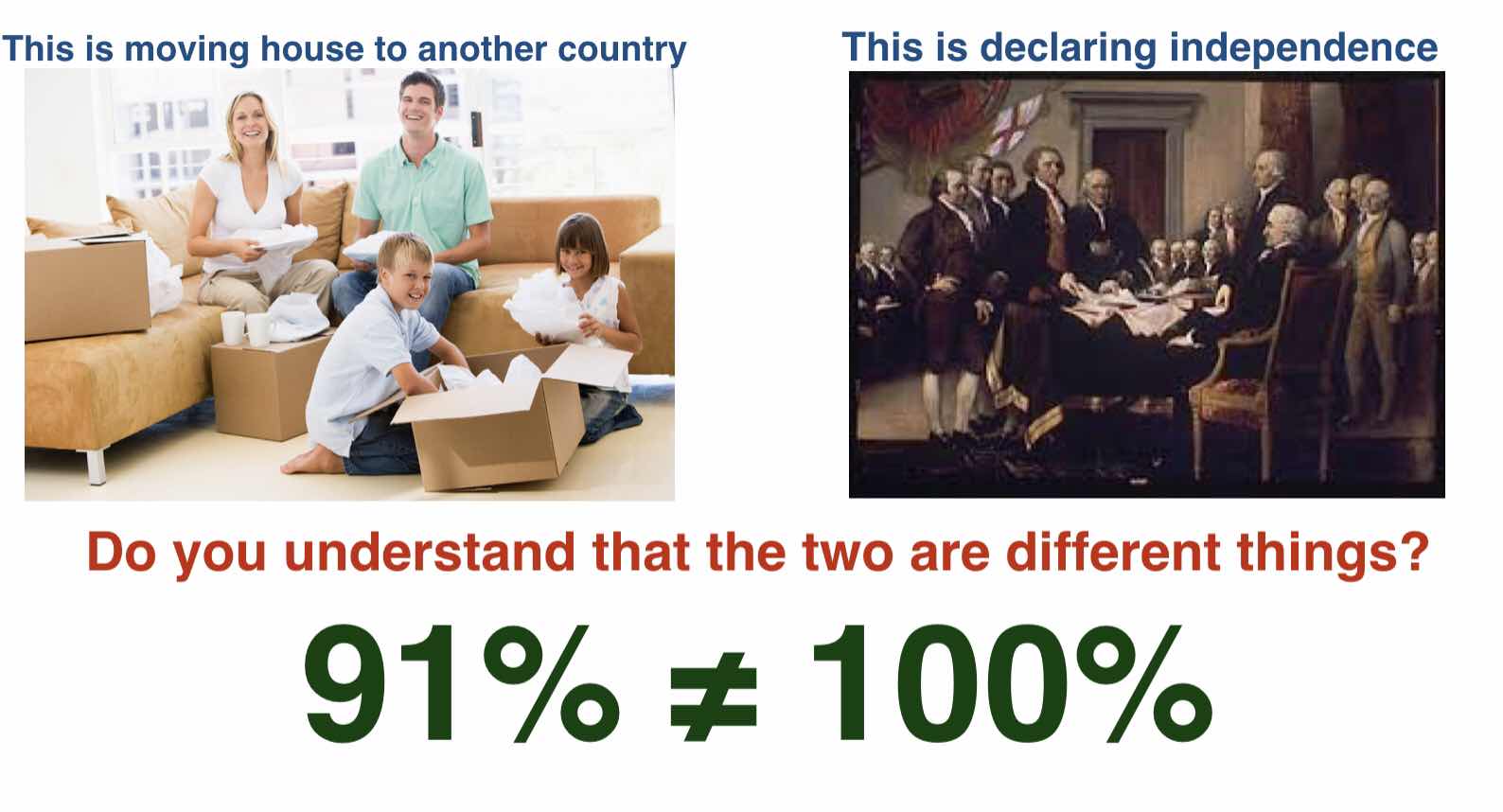
Critics often dismiss the Government Expenditure and Revenue Scotland (GERS) report as “all estimates,” usually after a quick word search. That’s a lazy, ignorant and just rather pathetic dismissal.
GERS 2024-25 is built on a mix of direct data, stated allocations, and a small set of true modelled estimates. Only the last bucket really qualifies as an estimate — and even there, the risks are bounded and rather difficult to challenge.
Spending Side (£117.6 billion total)
So let's start with spending.
Direct actuals (~61%): Scottish Government and local government spending on health (£19.8bn), education (£11.8bn), transport, housing, and most social care comes straight from audited OSCAR outturn data and PESA. These are real recorded transactions, not guesses.
Stated allocations (the rest): Defence (£5.1bn) and reserved public sector debt interest (£8.5bn) are allocated on a simple, transparent population share (~8.2%). So are many public and common services. These are rule-based decisions under the “who benefits” principle — consistent, repeatable, and not speculative estimates. You can challenge these allocations but in most cases they are robust and generally tend to flatter Scotland, debt being a good examples of this.
'Estimates': These are minimal. Small GVA shares for a few economic items and minor CRA roll-forwards for 2024-25, always corrected as the data evolves and nothing is significant. Accounting adjustments (£12.1bn) are mostly non-cash and symmetric so don't have an impact on the deficit one way or the other.
Overall, spending is overwhelmingly robust and it's difficult to challenge this at all. So given that the Scottish deficit and fiscal transfer are generally a result of higher per person spending in Scotland critics citing estimates really don't have any case when it comes to spending.
Revenue Side (£91.4 billion total, excluding North Sea)
So maybe they make their case when it comes to revenue?
Direct actuals (biggest bucket by far): Income tax (£20.7bn), National Insurance (£12.9bn), council tax, non-domestic rates, LBTT, APD, capital gains, and inheritance tax use HMRC Scottish outturn statistics or direct Scottish data. These are administrative records, not models and not estimates.
Stated allocations: Interest, dividends, and parts of gross operating surplus rely on straightforward population or GVA shares from ONS Regional Accounts, these are relatively small and difficult to make a material challenge other than to argue that they flatter Scotland somewhat.
True modelled estimates (the only category that truly fits the critics’ complaint):
- VAT (£15.234bn) — An assignment model based on where spending occurs and spending surveys. Given this happens year in year out it's unlikely that these figures could become systematically wrong. Furthermore this allocation gives Scotland an 8.9% allocation of UK VAT receipts, so it's not as if it's doing Scotland over.
- Excise and consumption taxes (~£6-7bn total): Call these sin taxes. Fuel duties (£2.159bn), alcohol, tobacco, insurance premium tax, vehicle excise, and smaller items in “other taxes.” These, like VAT, use ongoing UK-wide surveys (Living Costs and Food Survey) and consumption stats. Also like VAT they overallocated to Scotland, so again challenge these all you like but you are more likely to reduce Scottish revenue than increase it.
- Onshore Corporation Tax (£5.855bn) — Probably the one that most nationalists focus their attention on, because they think this is allocated by Head Office location, and that is usually combined with a statement about London or 'the English'. But the truth is the vast majority of this data is based on 'economic activity' (as Salmond stated) on a company-by-company apportionment using employment location (HMRC + IDBR data). So challenge this line all you like but CT is one of the most mobile taxes in the world and post-independence capital flight would likely see this shift out of Scotland.
- Oil - There is of course North Sea oil, but this is allocated on a geographical basis (in the GERS headline figures, population share stats are included for reference in the data but rarely make it out of the nerd sphere. Given the total UK oil revenue is a known figure and Scotland receives the vast, vast, vast majority of this money. It's almost impossible to challenge as an inaccurate estimate.
So when it comes to revenue these consumption-based items are hard to get materially wrong. They rest on large, continuous national surveys tracking real behaviour. Scotland’s spending patterns on VAT-able goods, fuel, insurance, etc., are not wildly different from the UK average (known differences like higher spirits or tobacco use are explicitly captured and increase Scotland’s share). Official uncertainty ranges are therefore small and would not make any material difference to the discussion on GERS, the deficit and the fiscal transfer.
The estimate fallacy
So as we can see GERS is not “all estimates.” The vast majority rests on hard data or clear allocation rules. The narrower true estimates are principled, survey-grounded, and unlikely to change the core conclusion — Scotland runs a structural deficit under current UK arrangements, driven mainly by higher per-head spending and it's difficult to see how that is wrong on any level.
If critics claim GERS is badly wrong, they need to specify which lines, by how much, and why the data doesn’t support them. Word counts don’t win arguments. Evidence does.

Comments
Post a Comment